The SiteRoot team6 min read
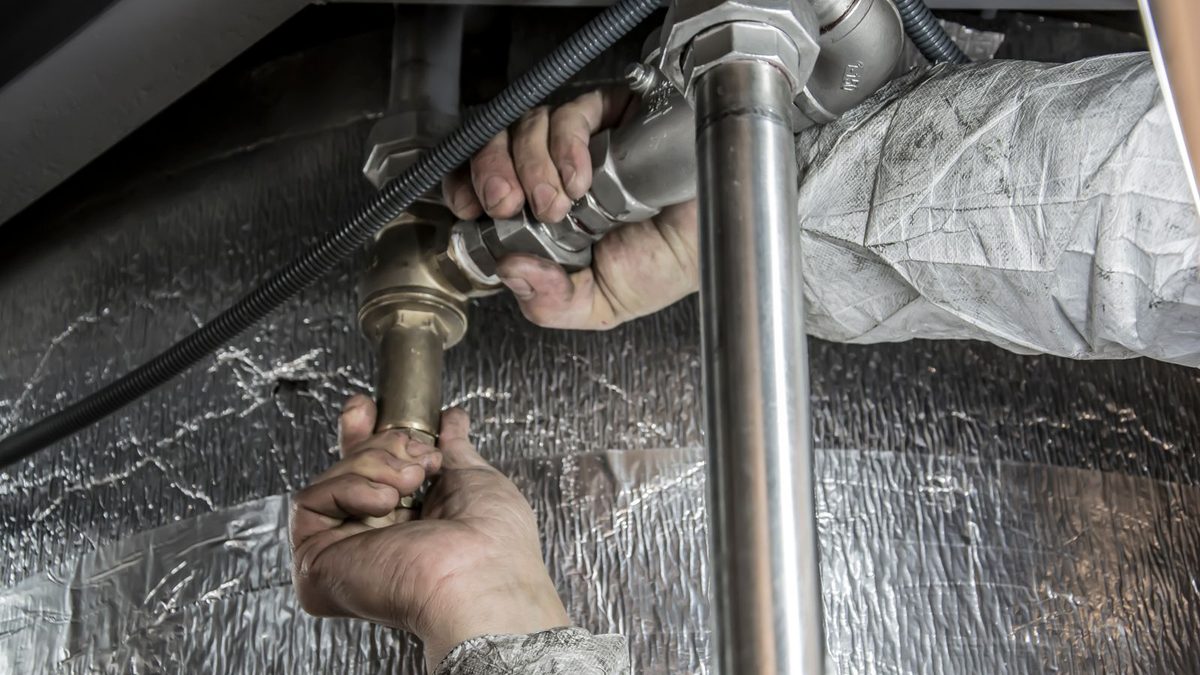
The hot water service goes at nine on a Tuesday night. Nobody is opening a laptop. Someone is standing in a wet laundry with a phone, typing the name of their suburb and the word plumber, and they are going to make a decision in about ninety seconds.
That moment is worth understanding properly, because it is not a marketing abstraction. It is most of how trade work gets bought now, and it runs on rules that have nothing to do with how good you are at the job.
The ninety seconds, step by step
They type. They get a screen with a map, some paid results, and a handful of listings. They do not read it in order. They scan for three things: is this near me, is this real, and can I ring them right now.
Then they tap. Not one result, usually three or four in a row, back and forth. Each one gets roughly ten seconds to survive.
A listing with nowhere to go dies at that step. If the tap leads to a page that takes eight seconds to load, or opens on a desktop layout they have to pinch to read, or has a phone number typed as plain text so they have to memorise it and go back to the keypad, they are already on the next one. Not because they judged you. Because the next tap was easier.
Whoever answers the phone first gets the job. That is the whole contest.
What a website is actually for, at that moment
It is not a brochure. At 9pm on a phone, a website is doing three jobs and nothing else matters.
It has to be tappable. Your number has to be a link, so that touching it starts the call. Not text they have to copy. That single detail decides more after hours jobs than any design choice on the page, and it is the thing most often missing, because whoever built the site typed the number as words.
It has to answer the question they arrived with. Do you do hot water. Do you come to Reservoir. Are you open now or first thing. If those three answers are not visible without scrolling, the page has not done its job even though every word on it is true.
It has to take the enquiry when you cannot. You are asleep, or under a house, or it is Sunday. A form that lands in your inbox with a name, a suburb, a phone number and one line about the problem is a job you can ring back at 7am and still win. An enquiry that goes into a dashboard you check on Thursdays is a job you have lost and will never know about.
The honest part
A website does not make you the first result for anything. We are not going to tell you otherwise, and anyone who promises you a position is selling something they cannot control.
What a website does is different and more reliable: it gives the person who is already looking somewhere to land, and it converts a tap into a phone call instead of into a back button. The search results, the map listing, the mate who passed on your name, a sticker on the van, a flyer at the hardware shop: they all end at the same question, which is what happens when someone goes looking for you.
That is the gap. Not being found. Being checkable.
But I have a Facebook page
A Facebook page is genuinely useful and it is not a substitute, for reasons that have nothing to do with anyone's opinion of Facebook.
- Someone who is not logged in often gets a wall asking them to log in, at exactly the moment they have no patience for it.
- You cannot control what sits around your work, including a competitor's ad.
- Your reviews, your photos and your posts live somewhere you do not own. If the account is disabled, and that happens, your entire presence goes with it in one afternoon.
- A page is a feed, not an answer. Your service area and your hours are in a post from March, which is not where anyone will look.
Keep the page. Have somewhere of your own that it points at.
What to check on your own site tonight
Open your website on your phone, not your computer, and go through this list. It takes two minutes.
- Tap your phone number. Does it start a call?
- Without scrolling, can you see what you do and where you do it?
- Is there a way to send an enquiry, and do you know which inbox it arrives in? Send yourself one and find out.
- Does the address bar show a padlock? No padlock means some visitors get a browser warning instead of your site.
- Is the year on the page the right year, and are the prices and hours still true?
If four out of five are fine, you are ahead of most. If the phone number is not a link, fix that one first. It is a single line of work and it is the one standing between a tap and a ringing phone.
Where SiteRoot comes into it
Every site we build starts with those three jobs handled, because they are the ones that decide whether an after hours tap becomes a call.
Phone numbers are tap to call links, not typed text. There is an enquiry form and it emails you, at your own address, so a 2am enquiry is sitting in your inbox with the rest of your morning. Images are loaded as the visitor reaches them rather than all at once, so the page is usable on a phone signal in a driveway. Your site publishes the plain facts about your business, your trade, your area and your contact details, in a form search engines and AI assistants can read directly rather than guess at. We check that your site is still up and that its certificate has not lapsed, and if either breaks the alert comes to us.
None of that is a promise about your position in a search result. It is the ninety seconds after the tap, which is the part you can actually control.